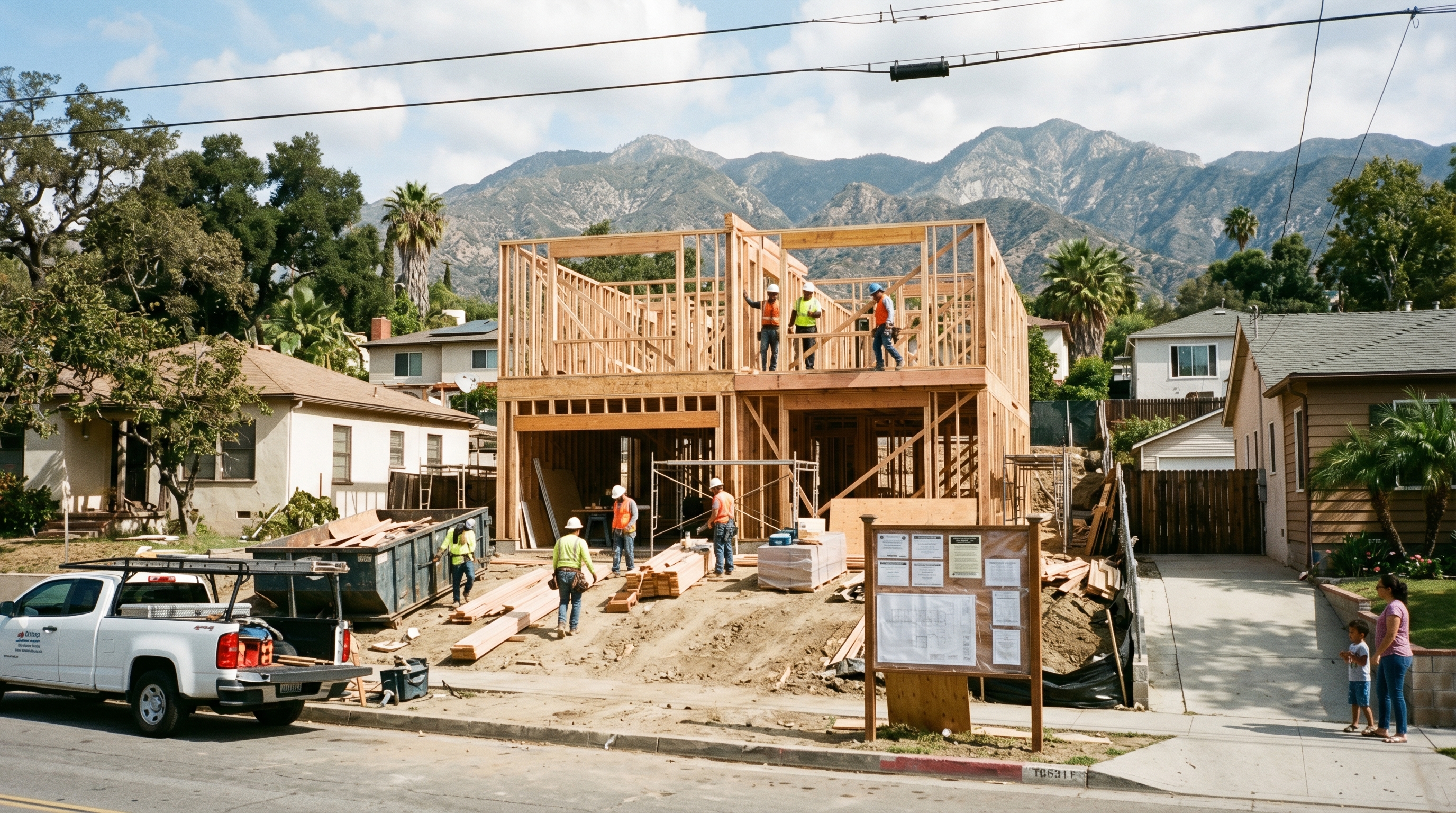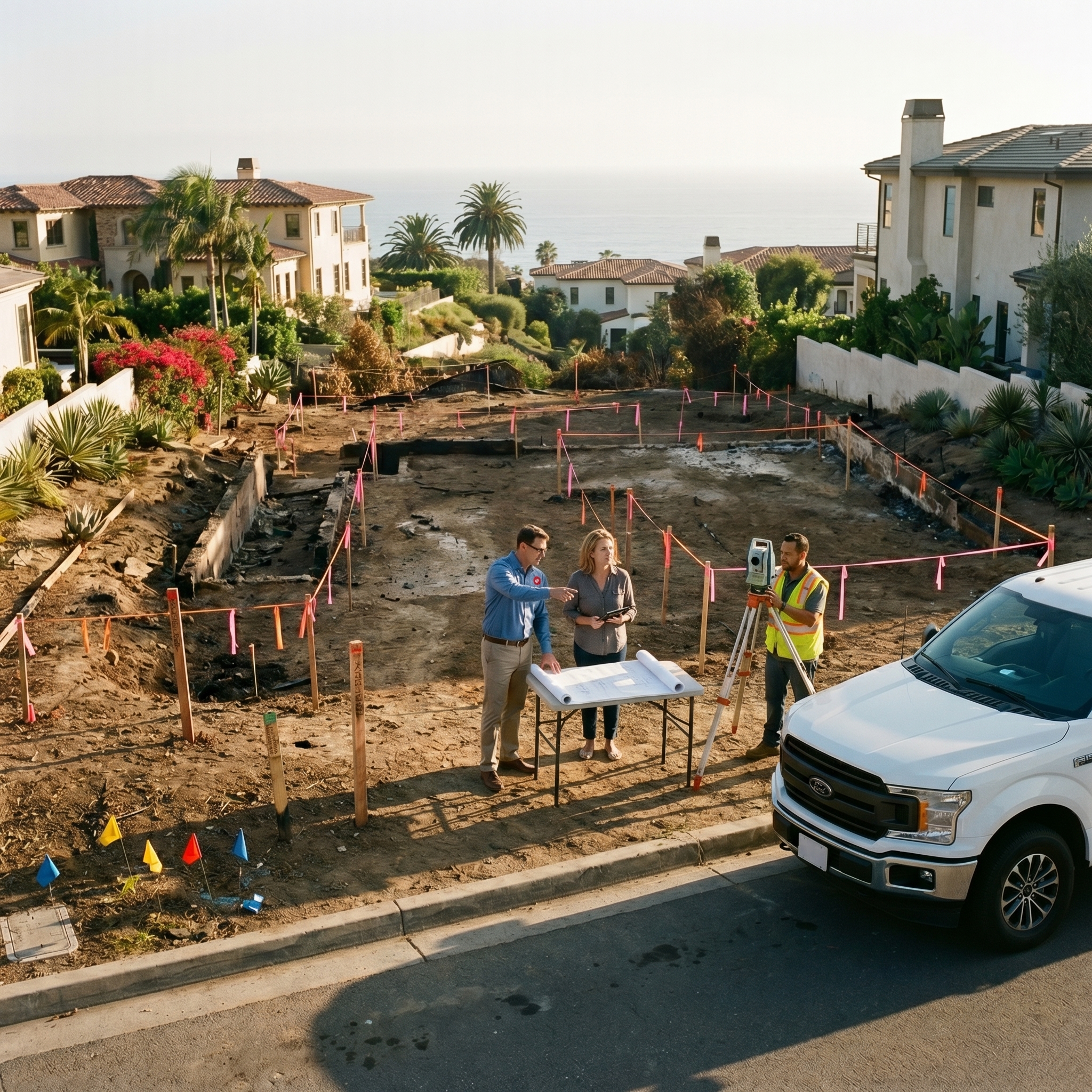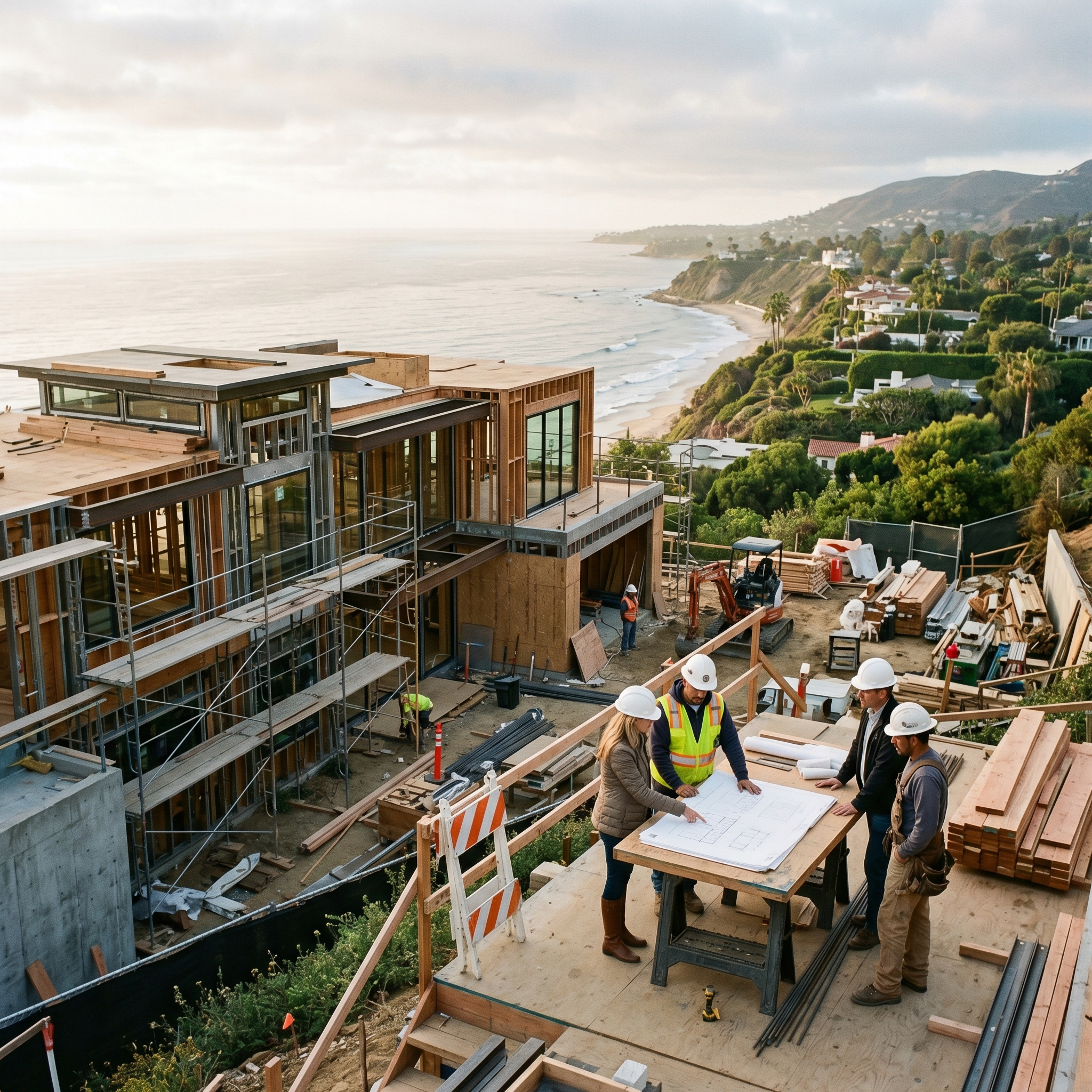

If you are trying to figure out how to choose fire rebuild contractor in Los Angeles, start by assuming that the first polished sales pitch is not enough. A fire rebuild is not a normal remodel. It involves code upgrades, insurance pressure, permit sequencing, and a lot of decisions that can go wrong if the contractor is not truly rebuild-fluent.
The right contractor should reduce uncertainty. If the conversation creates more of it, keep interviewing. Our fire rebuild contractor and luxury home builder teams believe owners should ask hard questions early, because good contractors welcome them.
The CSLB License Check
Before anything else, verify the license.
Why the license matters
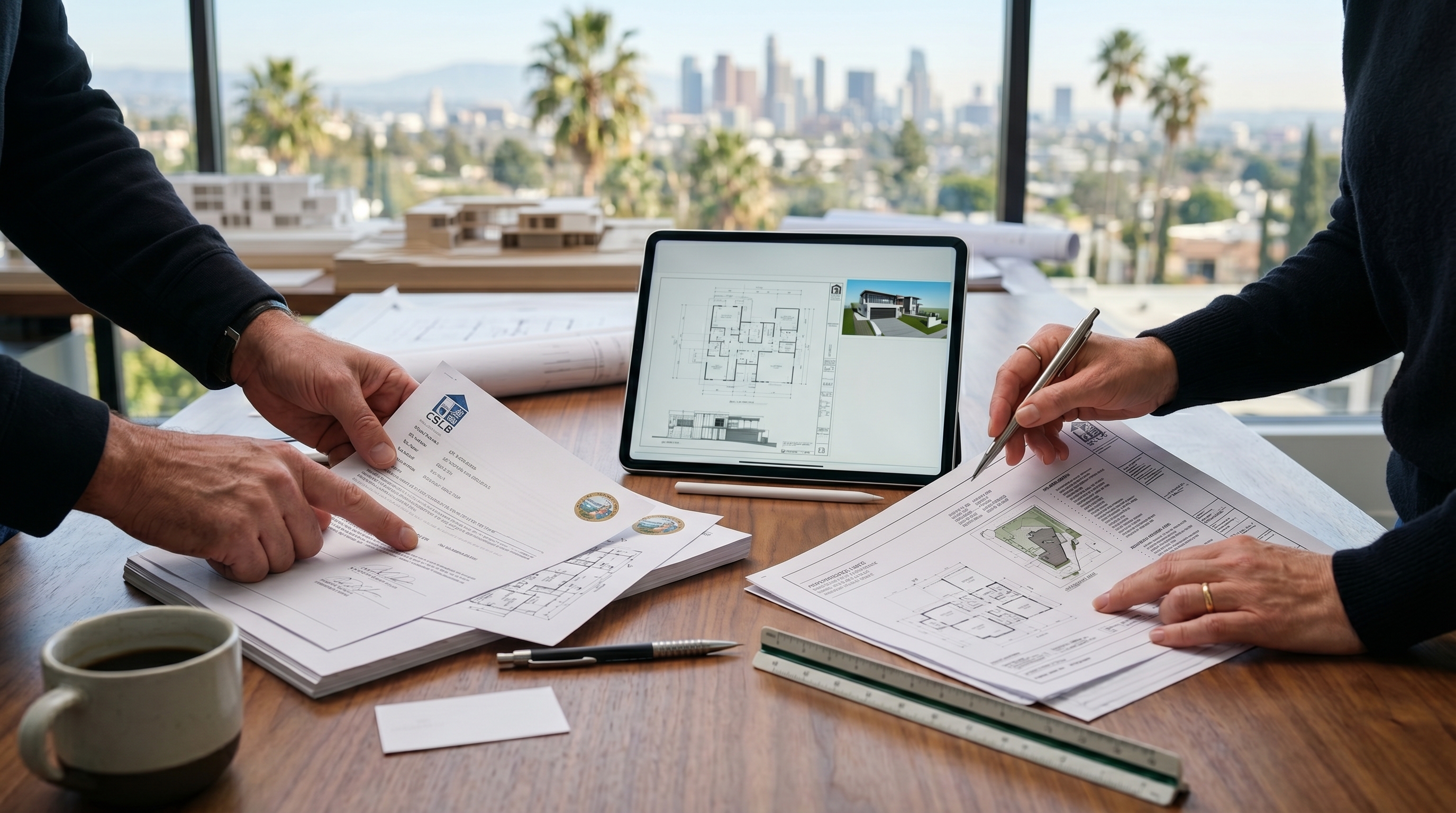
The CSLB record tells you whether the contractor is actually licensed for the work they are offering. It also gives you a place to confirm the business details instead of relying on a brochure or a sales rep.
Ask for the details in writing
Ask for the contractor's license number, insurance certificate, and business name exactly as it appears on record. If anything feels inconsistent, stop there until it is clarified.
Insurance and Bonding Requirements
Licensing is only part of the protection. Insurance and bonding matter too.
What you should confirm
Ask for general liability, workers' compensation, and any bonding information that applies to the project. If a contractor is vague about this, that is not a minor detail.
Why this protects the owner
If a worker gets hurt or something goes wrong on site, you want to know the contractor is properly covered. Rebuild projects are too expensive to rely on casual assurances.
Fire Rebuild Specific Experience
Many contractors can remodel a kitchen. Far fewer can run a post-fire rebuild well.
Ask for similar projects
Ask specifically for fire rebuild examples, not just general luxury remodels. The questions are different because the project is different.
Ask about code and permit sequencing
The contractor should be able to explain how they work with plan check, WUI requirements, consultants, and insurance documentation. If they cannot explain the path clearly, they probably do not manage it often enough.
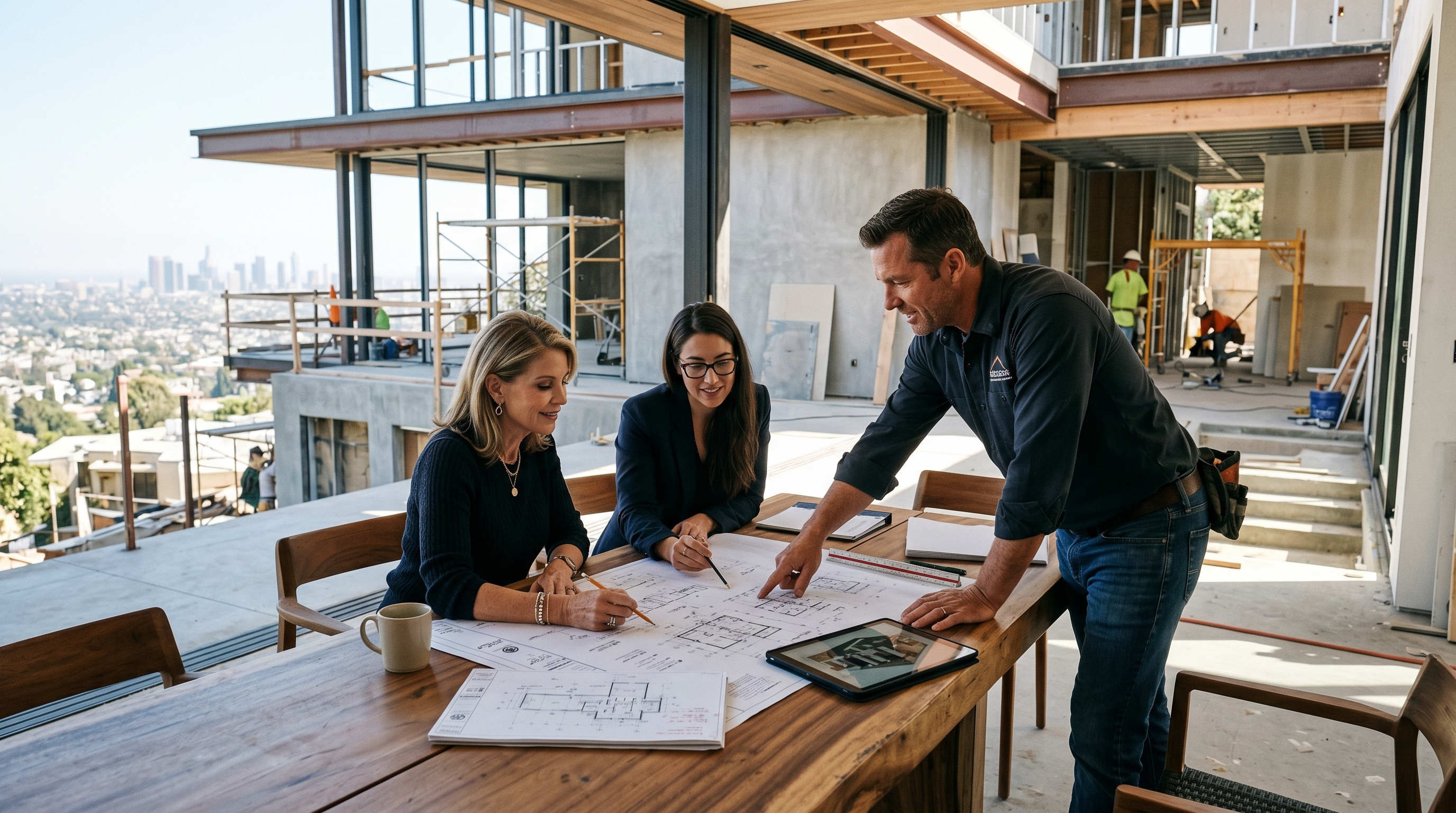
The 12 Questions Checklist
Use these questions as a baseline before you sign.
Ask about the job
- What fire rebuild projects have you completed in Los Angeles?
- What is your CSLB license number?
- Are you insured and bonded?
- How do you handle WUI and Chapter 7A requirements?
- How do you coordinate with my architect and engineer?
- How do you handle permit responses?
- What is included in your scope?
- What is excluded?
- How do you manage insurance documentation?
- What is your change-order process?
- How often will I get updates?
- Who will actually manage the project day to day?
What good answers sound like
Good answers are specific. They include examples, sequencing, and names of the people involved. Bad answers are vague, rushed, or full of vague promises.
Red Flags to Walk Away From
Some warning signs are obvious once you know what to look for.
Pressure is a red flag
If the contractor pushes you to sign immediately, changes the subject when you ask about license and insurance, or refuses to define the scope in detail, walk away.
Too-good-to-be-true pricing usually is
In fire rebuild work, unrealistically low bids often hide missing scope. That can cost more later than the contractor saved up front.
A serious fire rebuild contractor should make the project clearer, not noisier. If you want a second opinion before you sign, contact econstruct. We can help you pressure-test the contractor, the scope, and the rebuild path before you commit.
bea6eab (Update blog, projects, and analytics)